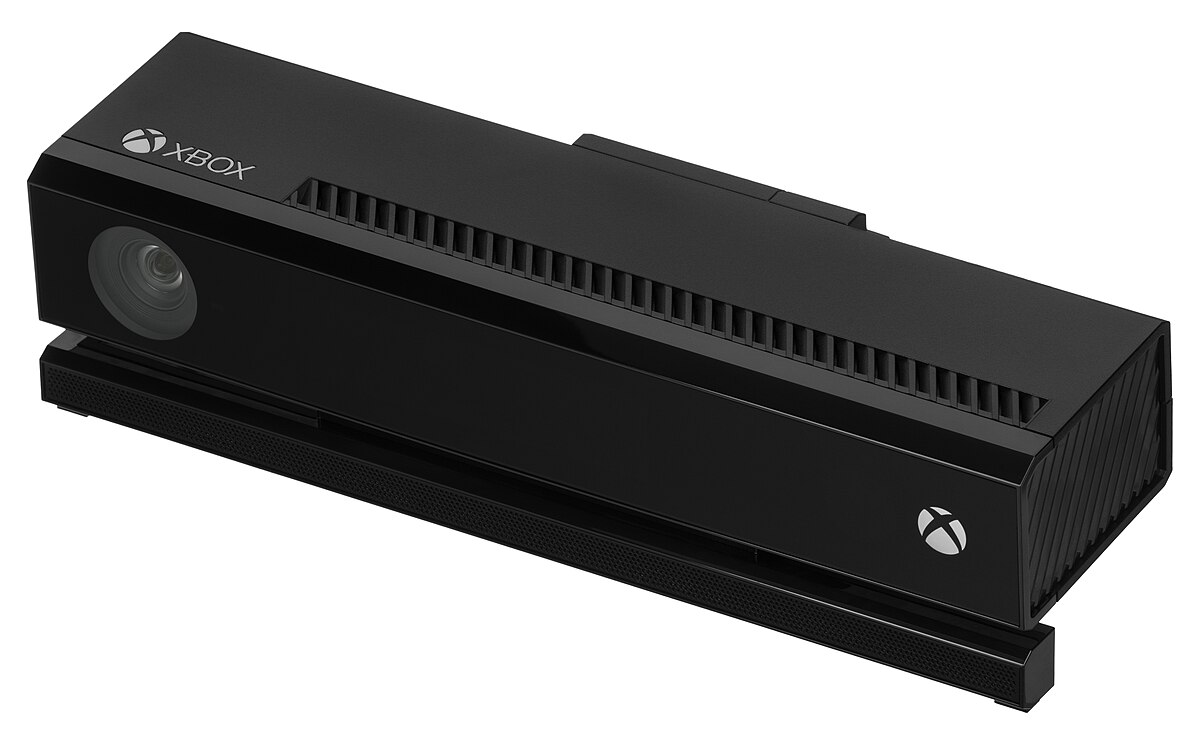
 Microsoft ended production of Kinect for Xbox One in October 2017. Kinect has also been used as part of non-game applications in academic and commercial environments, as it was cheaper and more robust than other depth-sensing technologies at the time.
 The Kinect, a revolutionary device by Microsoft for Xbox 360 that uses body movements as a controller, expanding into applications like 3-D imaging and more.